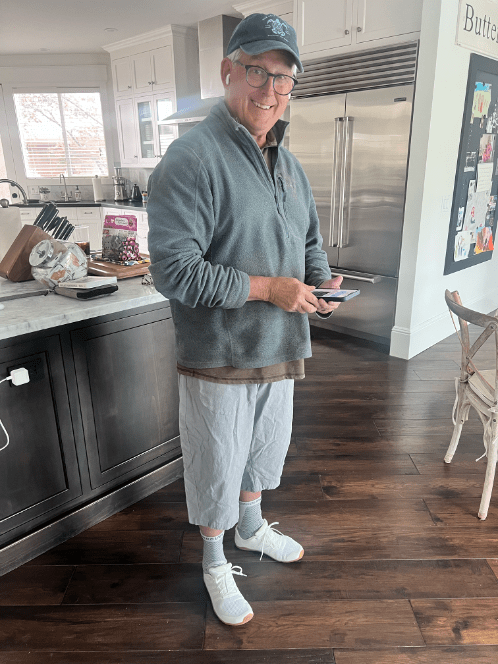
Sawdust on the Floor

February 24, 2026

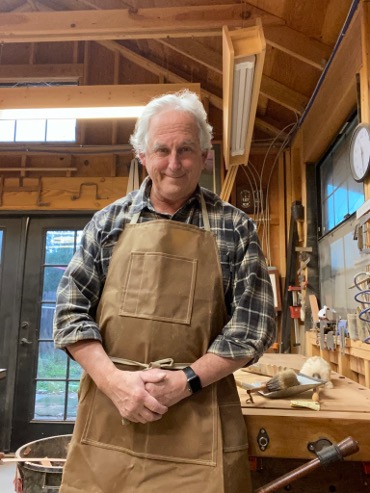
My father was a woodworker. He showed me how to use my hands to…as he put it… “make sawdust.”

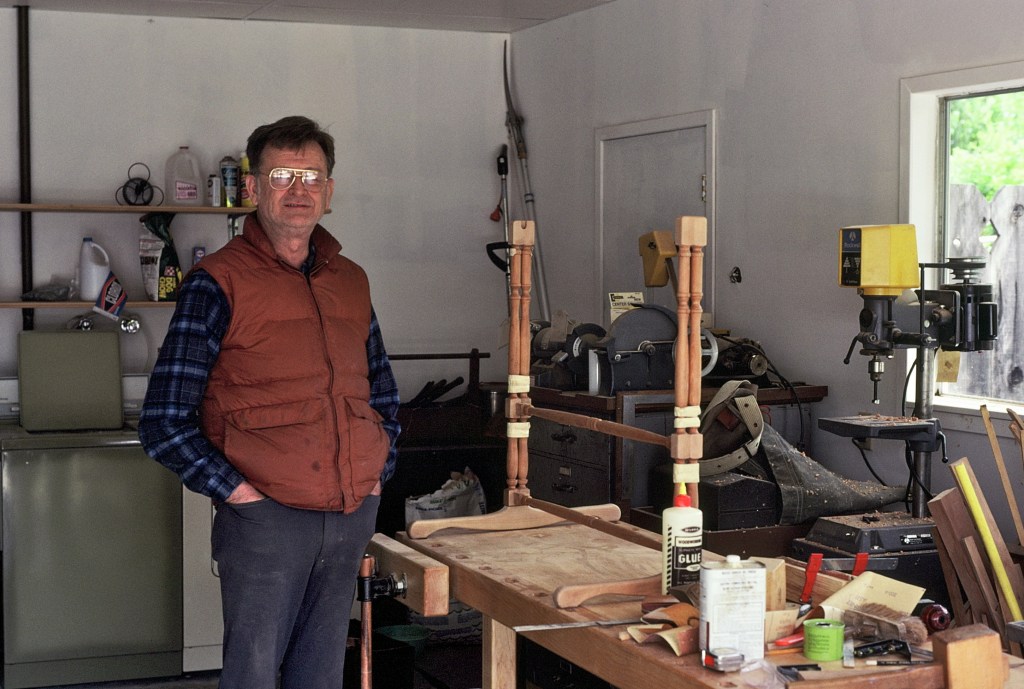
That’s him. And that was his woodshop. Not much to speak of. Just his garage. That’s his bench. He built it by hand.  He had a few power tools: a small contractor’s table saw, a lathe, and a drill press. That’s the drill press. The yellow tool near the window. But he prided himself on hand tools. Chisels and planes. Old school tools that require touch.

In this picture he’s working on a cradle we made for my daughter Kate. It was February of 1983, a few months before she was born. Dad turned on his lathe the twin upright supports, cross pieces, and over twenty identical spindles.

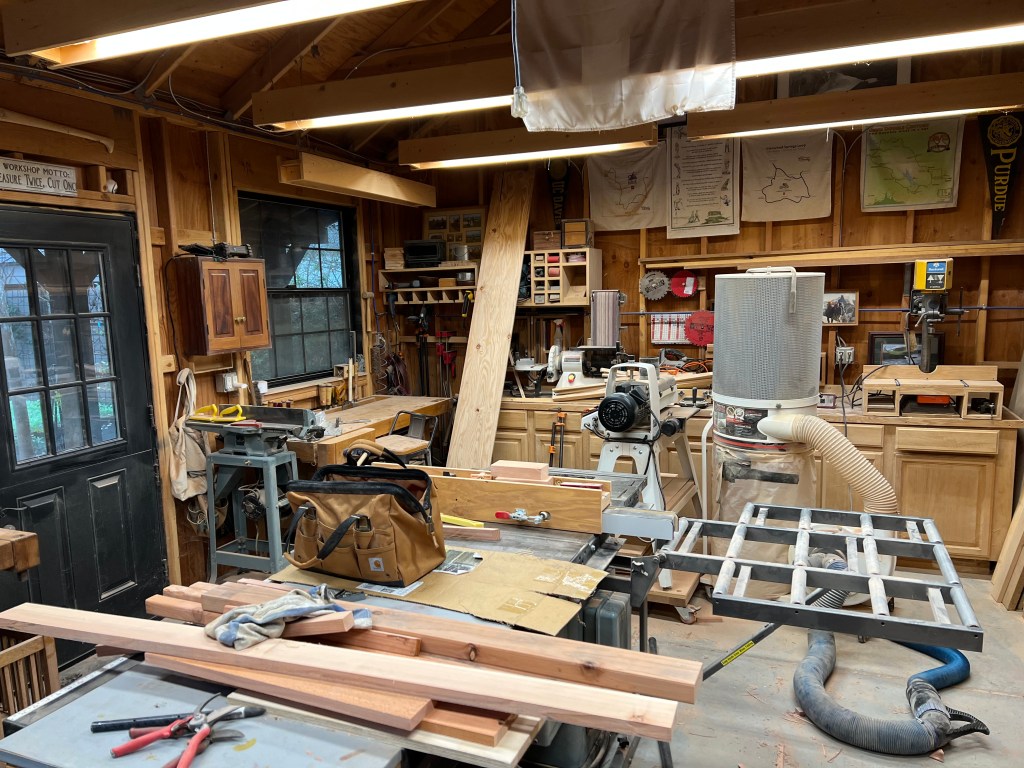
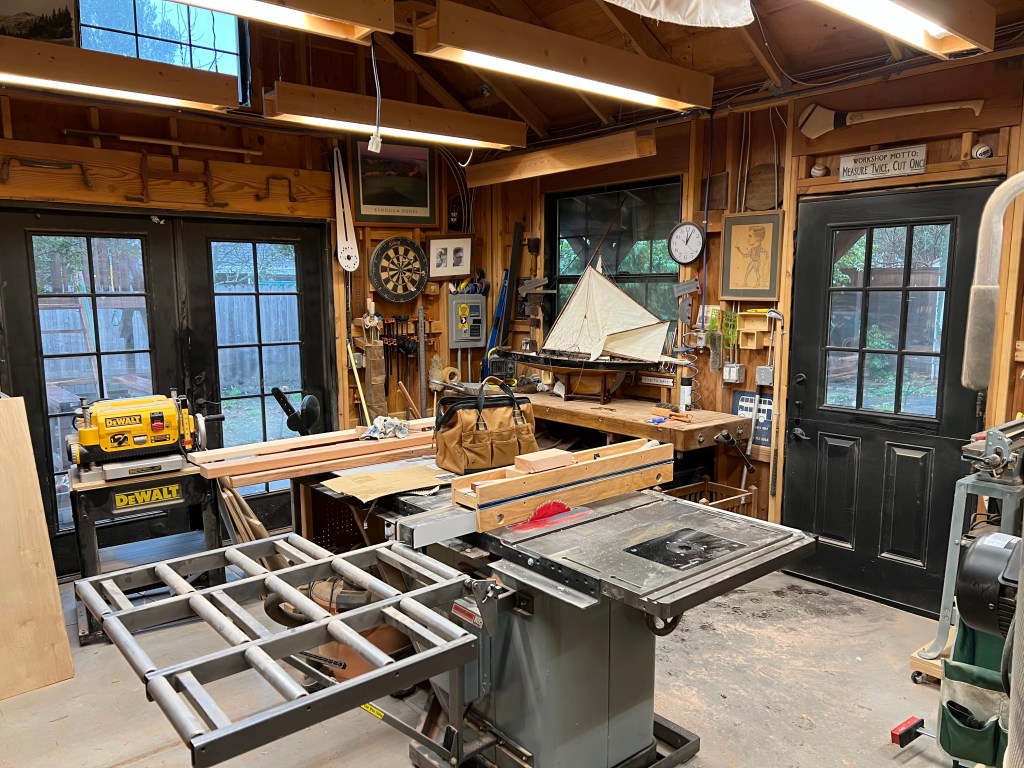
This is my shop. That’s Dad’s yellow drill press on the right.

And that’s his workbench in the far corner beneath the sailboat.

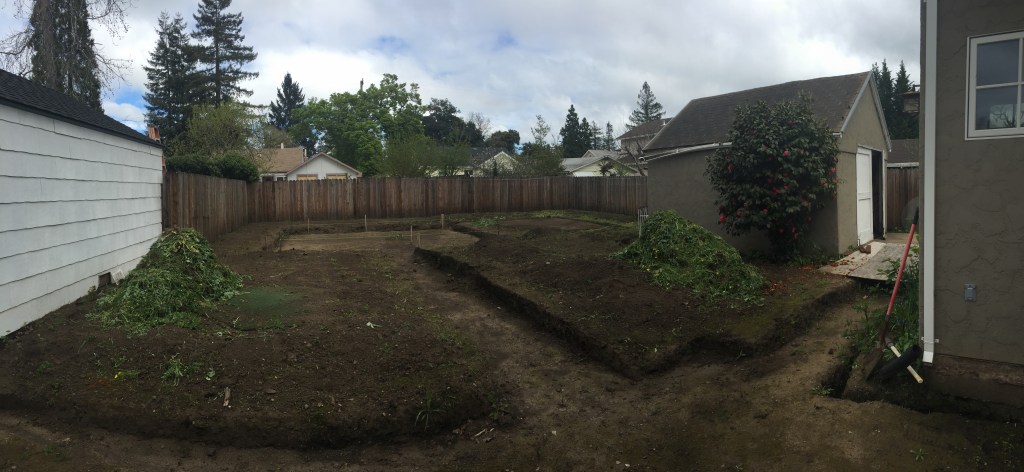
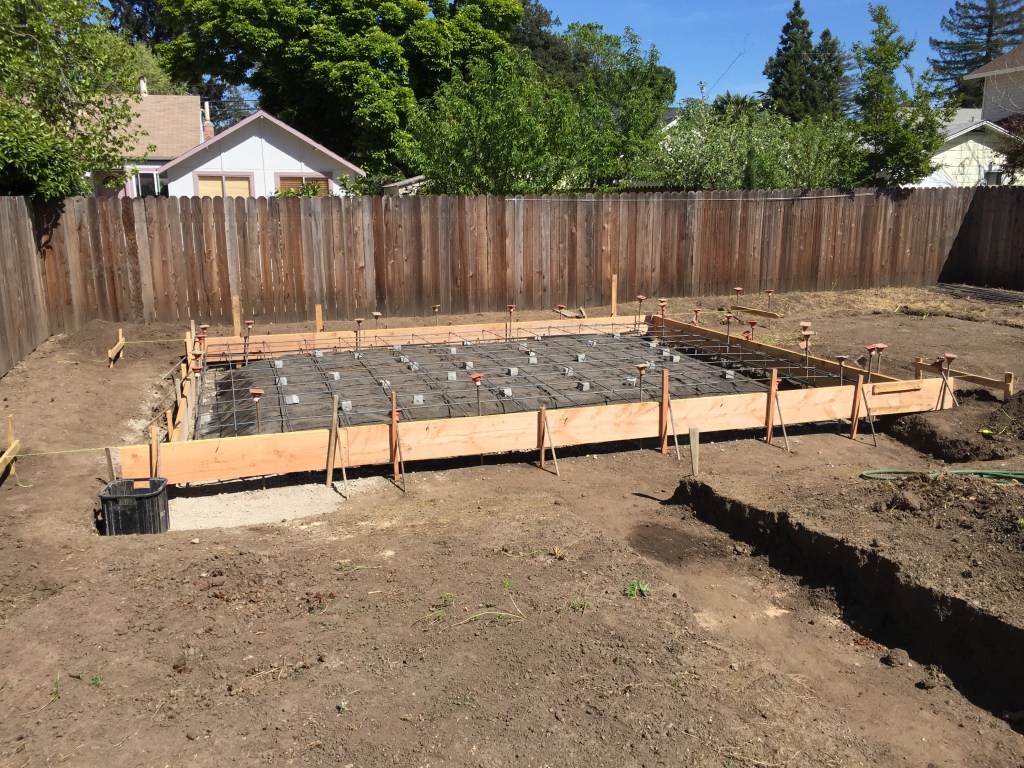
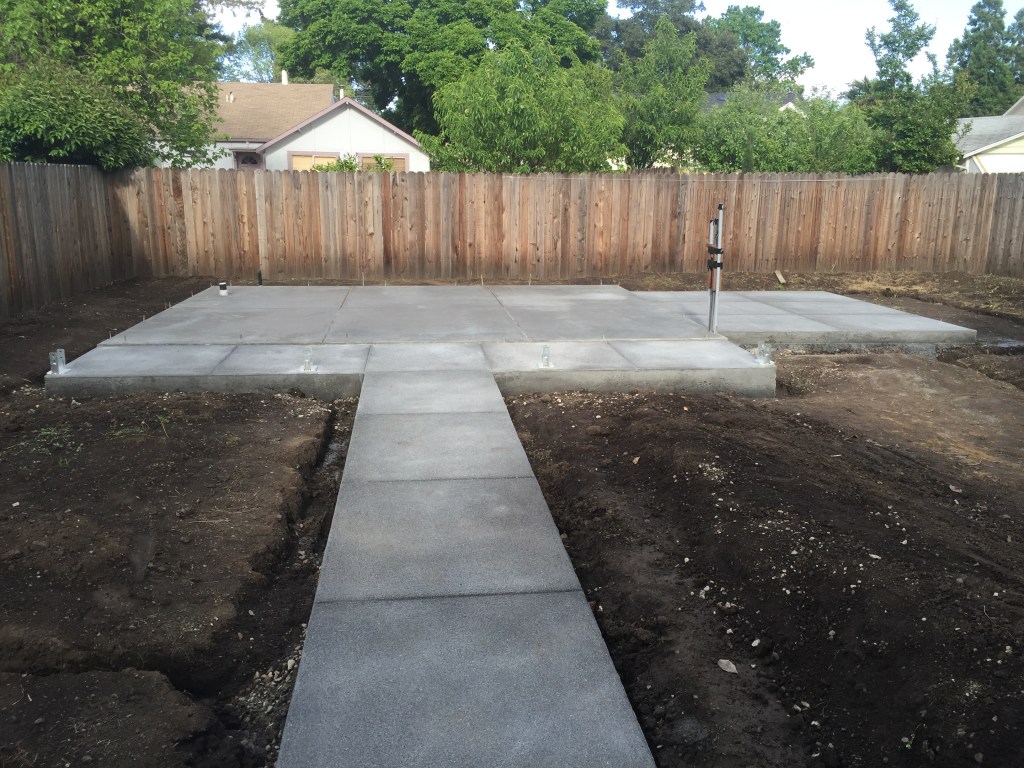
I built my woodshop from the ground up. It took me over ten years. I dug with a pick and a shovel the foundation for the floor, the porch, and the sidewalk.

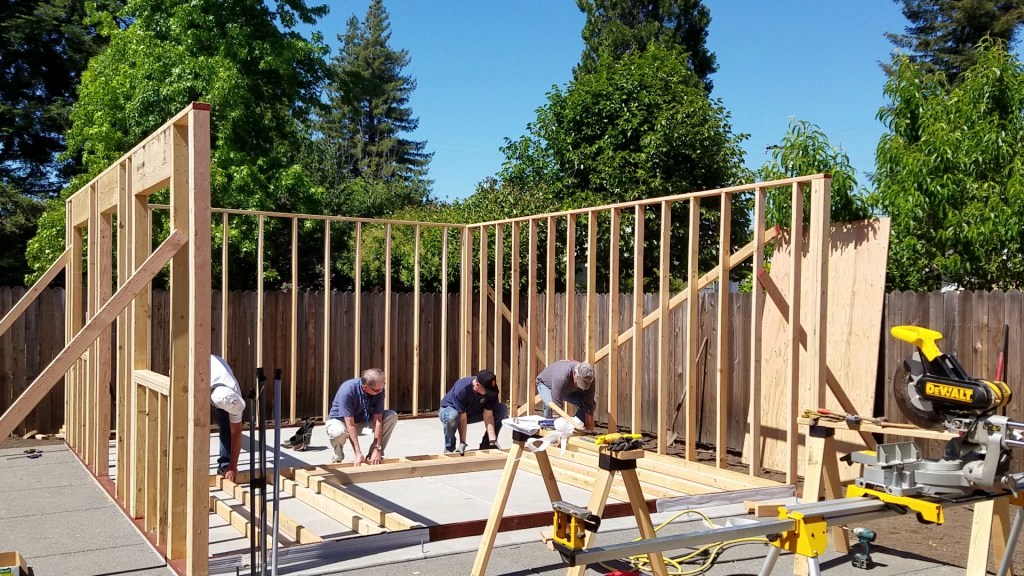
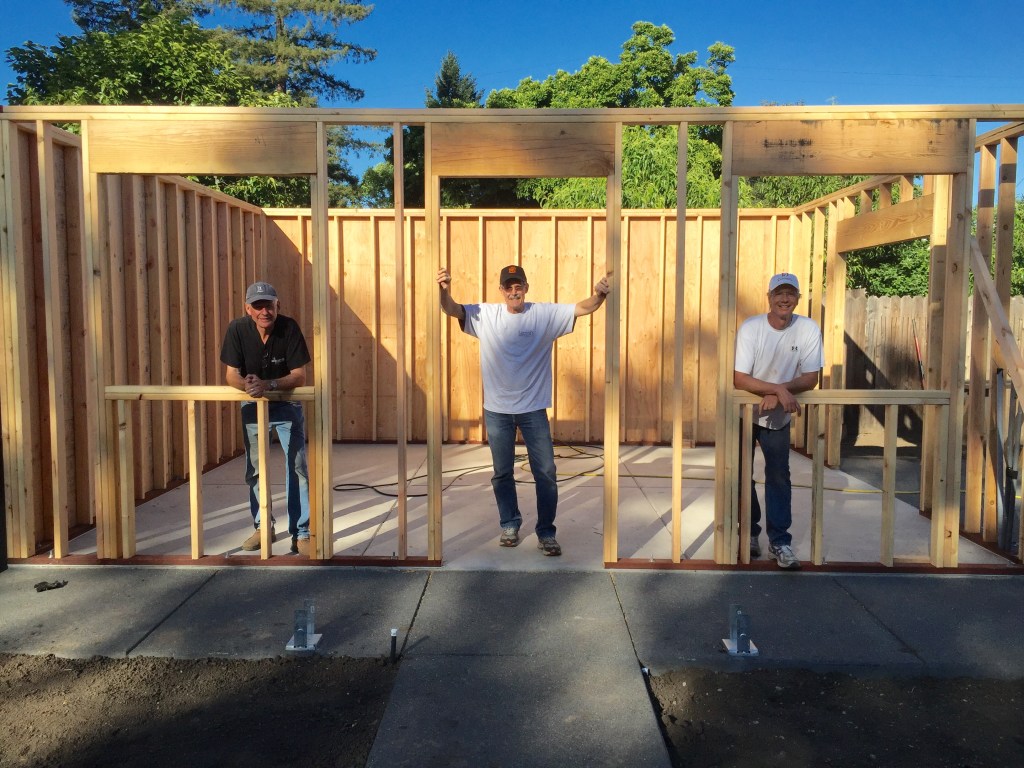
With the help of old friends, I framed it.

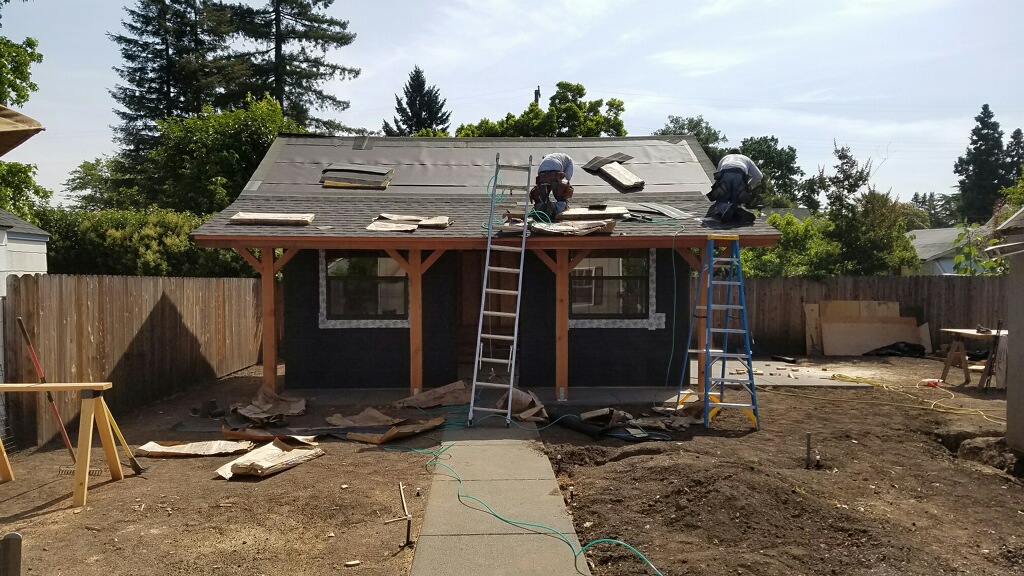
Put a roof on it.

And made the woodshop my Dad and I dreamed of.   

It has two workbenches, one beneath each window. The one dad built and the one I built. 

I retired three years ago when I was 66. My plan was to spend time in my shop making sawdust. I used to make things for my children and grandchildren. Big things…

And bigger things.

And small things for my wife.

I was pretty good at it.

And then, about the time I retired, about the time I had planned my whole life to make things with my hands, my hands began to shake.

I worked at a desk my whole life. My dream was that, once I retired, I might have ten good years, maybe more, to spend time in my shop making more sawdust. Play some golf.  Do the two things my dad taught me to do with my hands.

Lots of things can go wrong as we grow old. In the grand scheme of things, some trembling fingers are not a big deal. 

But they are if you’re a woodworker.

You can’t have shaky hands around a table saw, or a band saw or a planer or a joiner. Not if you want to keep your fingers. You can’t measure or strike a line at a 1/16th” mark if the damn ruler keeps moving. And you can’t work a dovetail with a chisel or taper a tenon to fit a mortise if your fingers won’t hold in place the wood you’re hoping to cut, fit and join. 

Some folks stock a bookshelf with leatherbound books. They look very impressive, but if you open one and hear the binding crack, you know the book has never been read and was placed there for show. 

The same is true of woodworkers. Some have fancy woodshops. Lots of power tools. A fancy dust collection system. But if you want to know if a shop owner knows his way around wood, look for the sawdust. You’ll know if there is sawdust on the floor.

My shop hasn’t seen sawdust in almost two years. 

That wasn’t the plan

The One Iron

February 23, 2026

When I was young . . . fifty years ago . . .I could hit a one-iron. 

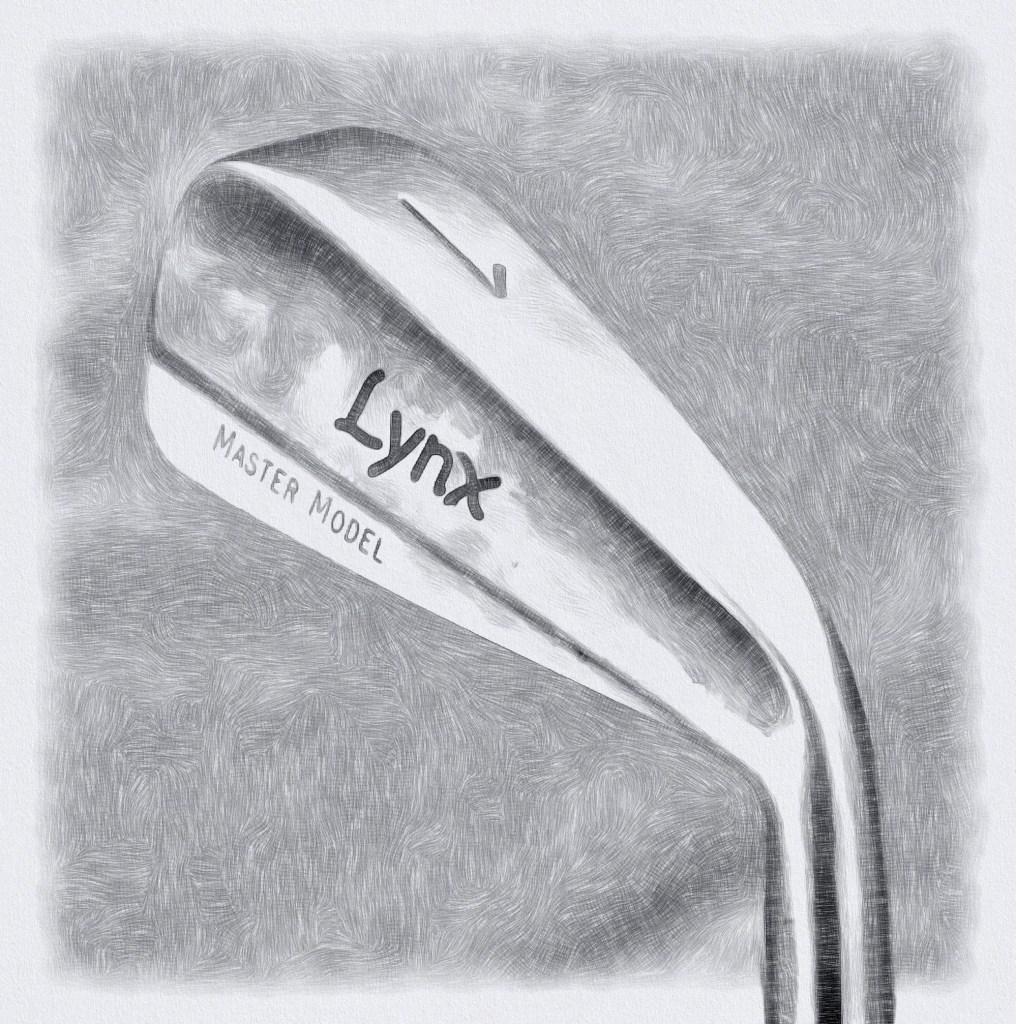
This one-iron. The 1974 Lynx Master Model.

If you are a golfer, this will seem an idle boast. Many claim they once could; few in fact did. It was, after all, Lee Trevino who said that the best precaution to take if you find yourself on a golf course during a lightning storm is to hold your one-iron high in the air because “. . . not even God can hit a one-iron.”
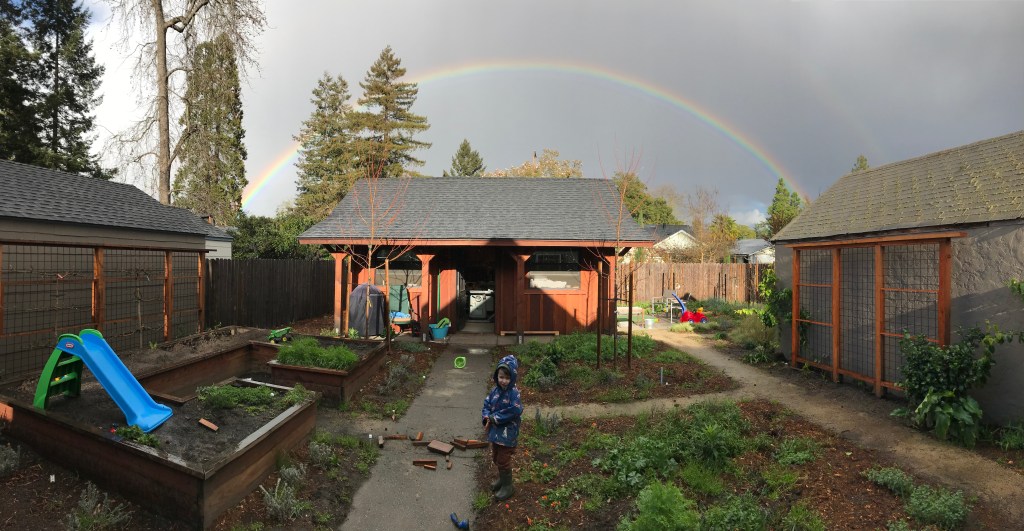
But I could and I did.

“So what? Big deal,” you might say.  “We’re not talking splitting the atom here, Rob.” 
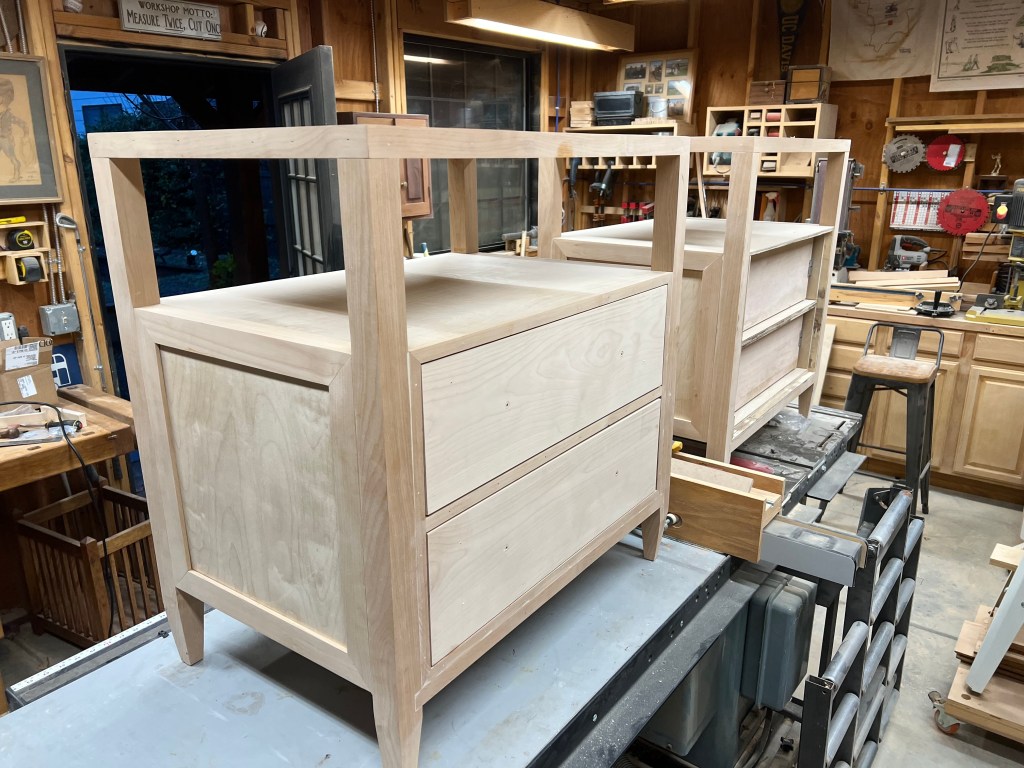
No. No, we’re not.  Hitting a one-iron ain’t exactly on the top ten of great human achievements. Certainly, not the outcome. But for sheer friggin laugh in the face of the Gods audacity, it should be.

In golf, as in life, we all hope to find the “sweet spot.” The sweet spot is when you match the center of the golf ball with the center of the face of your club. Since this can seldom be done perfectly, the real question is how close can you come. How far “off center?”  How much deviation from perfection? The greater the deviation, the graver the outcome.
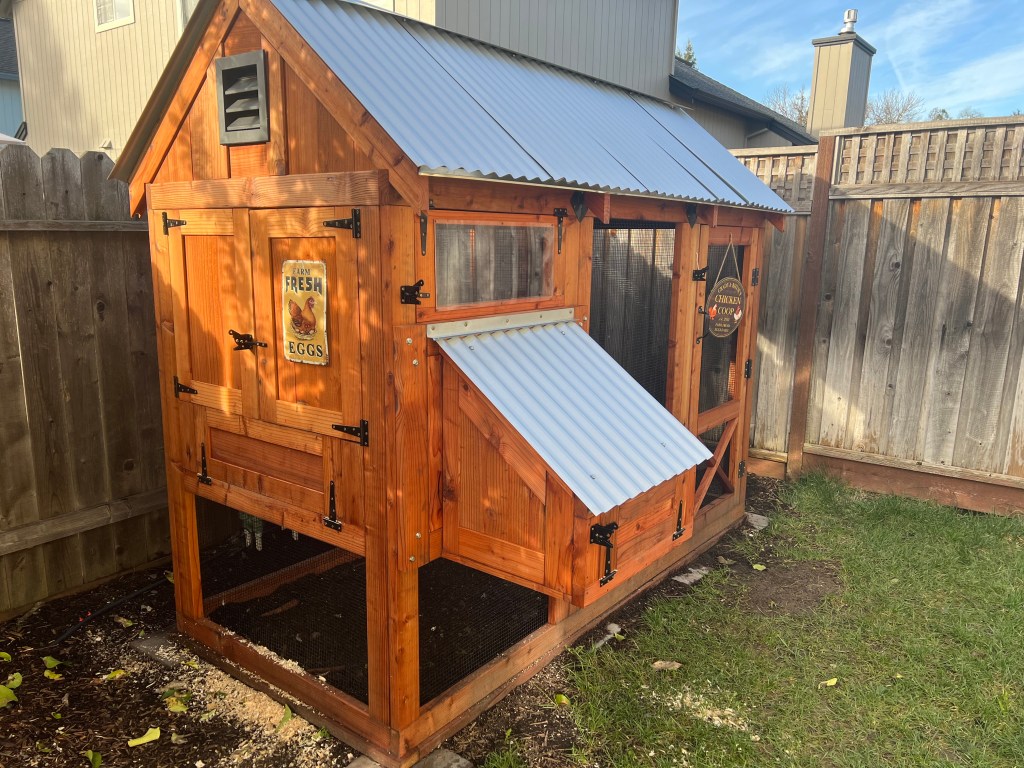
You know you’ve found the sweet spot when you feel it. A quiet, effortless sensation in your fingers that registers long before you look up to observe the flight of the ball. A ball struck off center . . . a “mishit” . . . feels like a tuning fork in your wrists. A slight mishit . . . a small vibration. A bad mishit and your whole body vibrates like you’re Wiley Coyote and the club just hit the Acme anvil. 

But when you hit the sweet spot, you feel nothing.

Not surprisingly, the bigger the club face, the more imperfection the club will tolerate. We say it is a “forgiving” club. It allows for mistakes.

Let me show you.

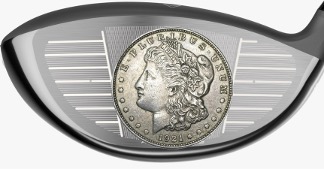
A golf ball is 1.68 inches in diameter. The club face on a modern driver . . . what we once called a “wood” because it was wood which drivers were once made of . . .  persimmon, actually . . . is 4.5 inches wide and 2 ¼” inches tall.   About this big.

A modern, graphite, oversized driver is a forgiving club. The sweet spot is as big as a Liberty silver dollar. Because of its size, its light weight, and a bunch of wizzy wig engineering marvels built into the face, it tolerates a greater range of mishits, but still sends the ball relatively straight and true.

Now, an old one-iron? That was an unforgiving club.  If a modern driver is your wife after you’ve said something stupid, an old one-iron is Glenn Close in Fatal Attraction. We’re talking bunny burn intolerance.

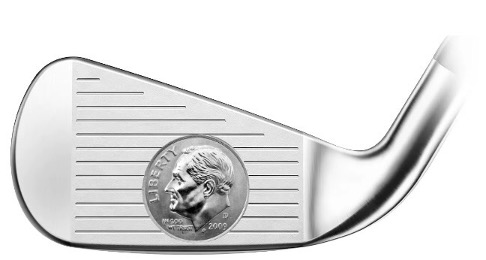
Why? For starters, the club head weighed probably twice as much as a modern driver and had a face half as big. It looked like this. Maybe 3 ½” by 1 ½” .

As one golf writer aptly described it, a one-iron club face is “as thin as pursed lips.” The sweet spot is the size of a dime.

So, your point Rob . . . is . . .?

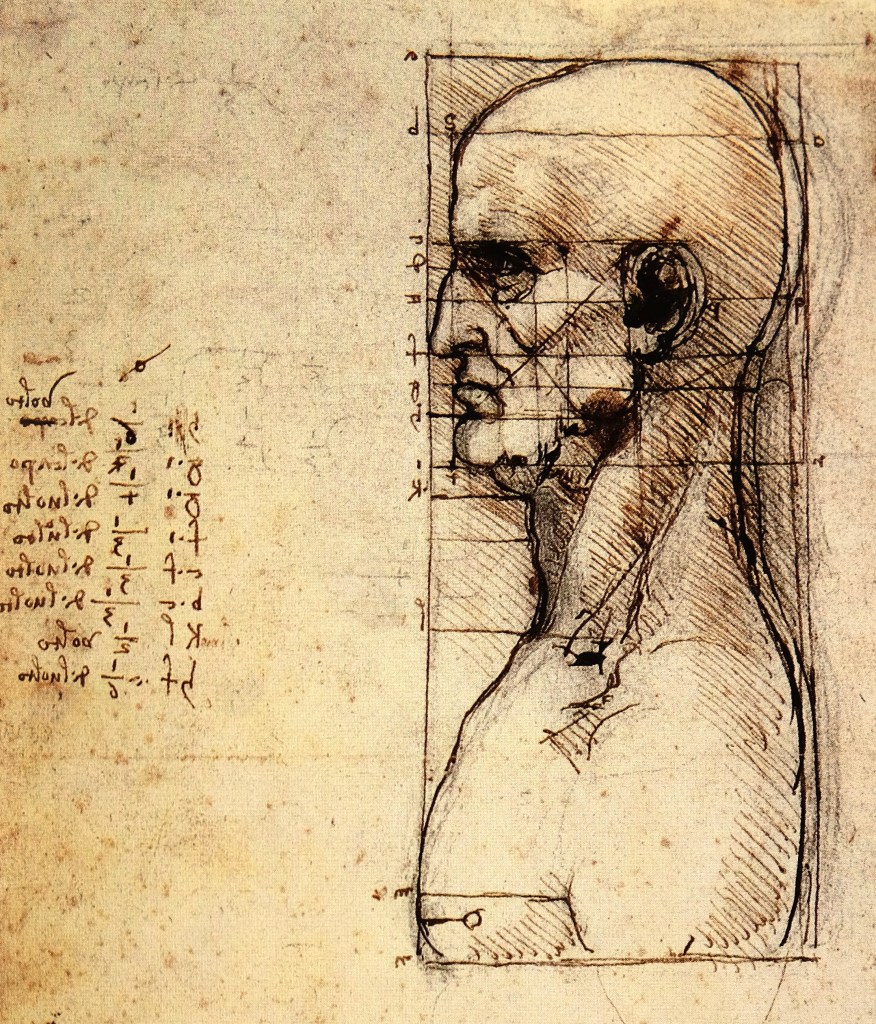
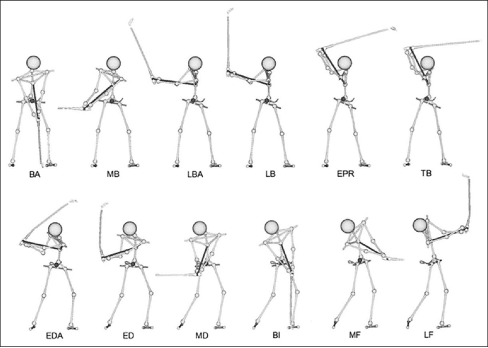
Three things enable a golfer to deliver that dime squarely to that ball. A still head. Fluid balance. And soft and sure hands: Let me show you. See this diagram?

  • See the circle representing the golfer’s head? It doesn’t move. Not up and down. Not left to right. Not forward and backward. It remains still throughout the swing. 
  • See the shoulders? The hips? The feet? They all move, but they remain in balance. Weight shifts to the back foot and then to the front foot.  From takeaway to follow through the body remains in fluid balance. No lurching. No staggering. No step forward like a gymnast who missed the landing. Balanced.
  • See the hands? Every part of a golf swing. . . every movement which delivers that club head to that ball . . .  is channeled through your hands. Sam Snead once said, you should grip a golf club “as if you were holding a baby bird.” By that, he didn’t mean a light touch; he meant a sure touch.  One must have soft but quiet hands.

Now, let’s talk about what you can’t see.

The most important thing one must have as he or she stands over the ball is . . . confidence.  Let’s face it. With all that can go wrong in a golf swing, any one of which will produce a mishit, it is presumptuous to dare to strike a golf ball cleanly. You’ve got to be a bit cheeky. More than a little audacious. More like fighter pilot cocky. 

The golf gods are a nasty gallery. They don’t like audacity. They find that level of confidence threatening. So, rather than strike us with lightning and thunder. . . parlor tricks . . . much too flashy. . . the gods send us two things far more subtle, far more insidious. One to bring us back to the course, foolishly thinking we might this time… just this time… approach, maybe even achieve, God-like perfection. 

That’s called hope. 

And one to mess with our heads once we’re back, to bring us back down to earth when, brave enough to swing a one-iron, we dare fly too high. 

That’s called doubt.

The trick for the Gods is to titrate the two. Just enough hope to entice us to care about something so inconsequential. Just enough hope to delude us that today might be different, so we continue to come back for more.  And just enough doubt, once we’re foolish enough to return, to shake that balance, move that head or quicken those quiet hands, so that we leave the course tormented, but not broken altogether.

This brings me to August 2024 and this place.

It was a beautiful day in Bodega. A soft breeze off the Pacific. The air crisp and clean. The warmth of the sun on my face. The sweet smell of freshly mown grass. 

I stepped to the fifth tee, struggled with my shaking hands to rest the ball on the tee, stood upright, struggled to overcome the dizziness that happens when I now stand quickly, searched for some semblance of  balance,  took a deep breath,  slowly brought the club back, paused, and then buried a five iron into the turf eight inches behind the ball, ploughing up the sod like a roto-tiller, so that the flap of turf that remained folded up and over my ball  still resting on the tee.

The earth shook. My Apple watch asked me if I had fallen and required medical assistance. But the ball . . . the ball had not moved. Despite the earthquake my buried five iron must have registered in the seismic lab in Berkeley 40 miles south, the friggin ball remained wobbling on the tee.

I felt like an old golfing gladiator who thankfully carried an airtight living will inside his helmet.  It seemed a good day and a good place to allow my golf game to die.

“No more”, I said, quietly beneath my breath. No resuscitation. No extraordinary measures. No more strife. No more struggle. Let it go in peace, Rob. Don’t ruin it at the end.

Parkinson’s is not kind to a golfer. I can’t keep my head still. My balance is shot. And my hands . . . my shaky, trembling hands. . . won’t rest. Doubt courses through my nervous system like an errant electrical surge and has finally, and I fear irrevocably, eclipsed hope.

Too many variables beyond my control have entered the fragile equation. The sweet spot has shrunk to the head of a pin. I can’t find it.

I know this must all seem silly, especially to those not afflicted by the game. Many . . . my wife, my family, my friends . . . might ask, “Who cares?” It’s a lousy pastime. Who gives a damn if you can’t do it well? You still have the ocean. A warm sun. A cool breeze. Friends with whom to share the time. Who the hell cares, Rob. They say Michael J. Fox still plays golf with his buddies. Why should you care how bad it’s become?

The trouble is . . . I do. I care. And I don’t know how . . .  to not care.

Maybe it’s because I could once hit a one-iron and frighten the Gods. Maybe the bastards sent this damn affliction because I offended them once too often. I hope so. I hope just once I scared the shit out of them.  

Being struck by lightning would be much easier.

Where to Begin?

February 22, 2026

“I object!”

You can’t object to a question you ask yourself.

“Why not? It’s a lousy question. It’s overbroad, vague and ambiguous, irrelevant and immaterial, lacks foundation and calls for the witness to speculate.”

Impressive, huh? I know. It’s a gift.

For forty-one years I asked questions, demanded answers, and lodged objections to questions I didn’t want answered.  That was my job. That’s what I did.  And I was pretty good at it. 

So, I often object to questions, even those I ask myself. 

It’s a bad habit. Probably, a subconscious thing.  I think my ego (that’s me) figures that if my id (that’s the judge) will sustain the objection, I won’t have to face facts or admit to things I’d just as soon deny.

Overruled.

“But your Honor…”

OVERRULED!

“With all due respect, your Honor: ‘Where-to-Begin’ is irrelevant. Location is immaterial.” 

Answer the question.

“The proper inquiry should be a “Why?” …like… “Why me?” Or maybe a “How…like… “How did this happen?” Or even a “What?”

“What the hell did I do to deserve this?”

Counselor!

“Sheez, somebody woke up on the wrong side of the bench.”

You are trying the court’s patience.

“Yeah, well, welcome to the club.”

You’re out of order!

“I’ll stipulate to that, your Honor. Every part of me seems out of order.”

Bailiff…take Mr. Jackson…

“Okay, okay…let’s see. Where? Where did this all begin? That’s a hard one. How far back do you want me to go?”

 “Stop dodging the question.”

“I mean who’s to say where this all began.”

Bailiff!

“Well, I suppose we could begin at the first visit to the neurologist.  I mean it’s customary, isn’t it?  You know. We place our half-wit hero on the edge of the examining table, his beautiful wife seated anxiously nearby, as the doctor takes a history and conducts a physical examination.”

“Kinda cliché, I know, but a good time-worn setting, don’t you think? Nice dramatic tension. An escalating sense of foreboding as slowly…far too slowly…our protagonist begins to realize what the characters in the scene and the viewers at home knew a long time ago.”

Let’s listen in …

“Okay, Mr. Jackson, I want you to hold your hands out in front of you, close your eyes, and then touch your nose, first with your right hand, then your left. Understand?

“Piece of cake, doc” I said, confidently winking at Cathy before I closed both eyes, and began.

“Your nose, Mr. Jackson. Not mine. Yours!”

“Oh, sorry,” opening one eye to again wink. Cathy doesn’t wink back.

“Okaaaaay,” the doc says. “Walk for me.”

“Walk?”

“Yes. Down the hallway and back.”

“I should warn you doc: ambulating is not my strong suit. I flunked skipping in kindergarten. That, and stair climbing…”

“Now turn around…”

“In my defense, I grew up in a one-story house. So, there wasn’t a lot of opportunities to practice stairs…”

“Once more.”

“Always seemed safer to bring both feet together on each step before venturing further. That whole alternating–feet–on–alternating– steps thing seemed risky. Kinda a metaphor for life, don’t you think? Man’s hasty descent into peril.  I say, ‘What’s the rush?’”

“Now, turn around…”

“Safety first. That’s my motto.”

“Now heel to toe, please…”

“And skipping. Never could get the hang of it…was something about the rhythm…”

“Now, sit here and tap your fingers together as fast as you can.”

“Like castanets?”

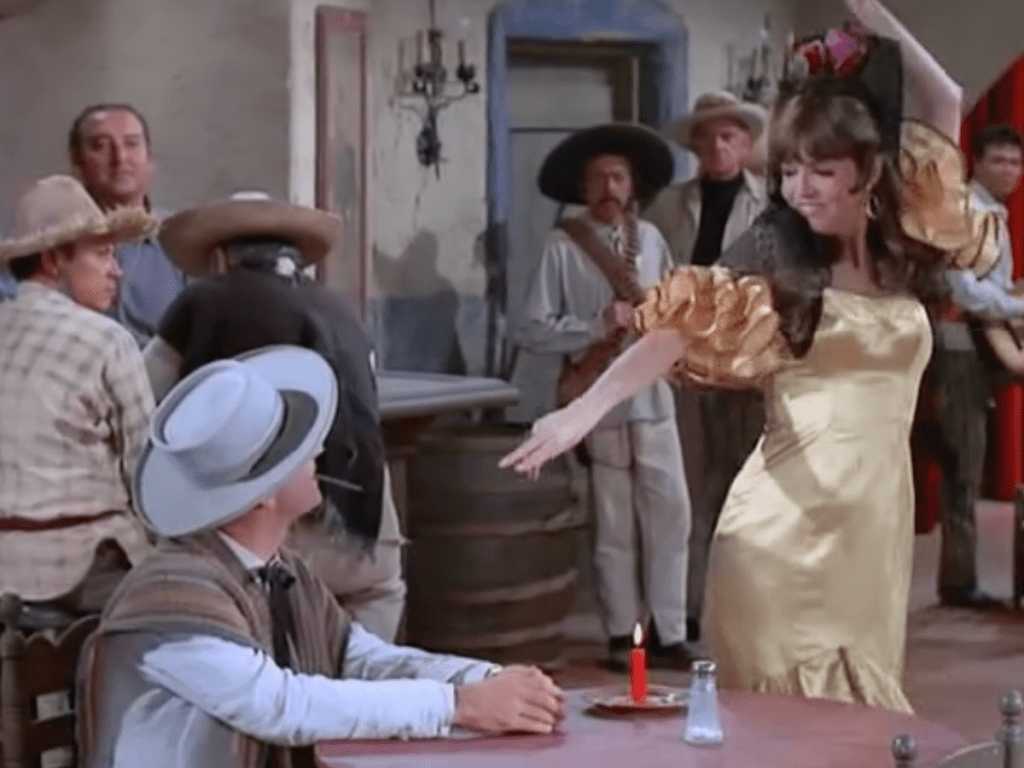
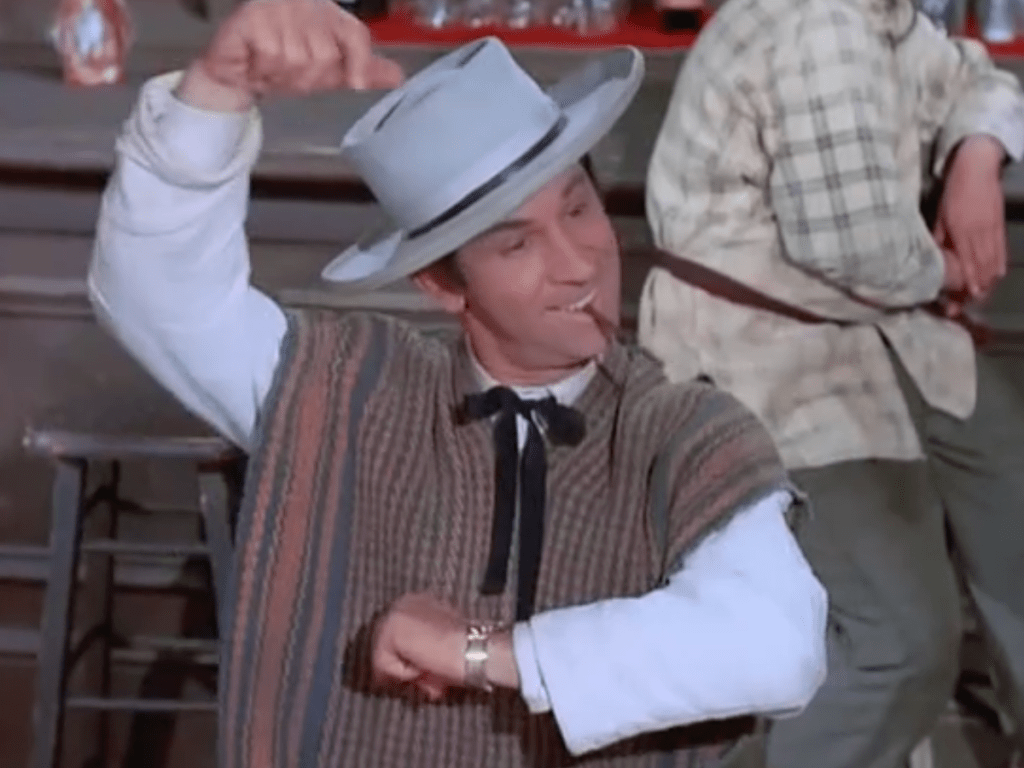
“Reminds me of that scene in Get Smart… you know… the Tequila Mockingbird episode. The one where they spoofed To Kill a Mockingbird and The Maltese Falcon and Clint Eastwood spaghetti westerns. 

“No?”

“Sure you do. When Max is in the Mexican saloon and Agent 99, disguised as a Spanish dancer, is trying to get him to look under the candlestick by signaling him with her hands like castanets?”

“And he just doesn’t get it?” 

“No? Probably before your time…”

“I want you to stand, your back to me. I’m going to pull on your shoulders and see if you can avoid falling. Ready?”

“Doc, I was born rea…WHOA.”

“Cross your arms over your chest and stand up.”

“Now down. 

“And up again…”

“OBJECTION, YOUR HONOR. The witness is badgering the lawyer.”

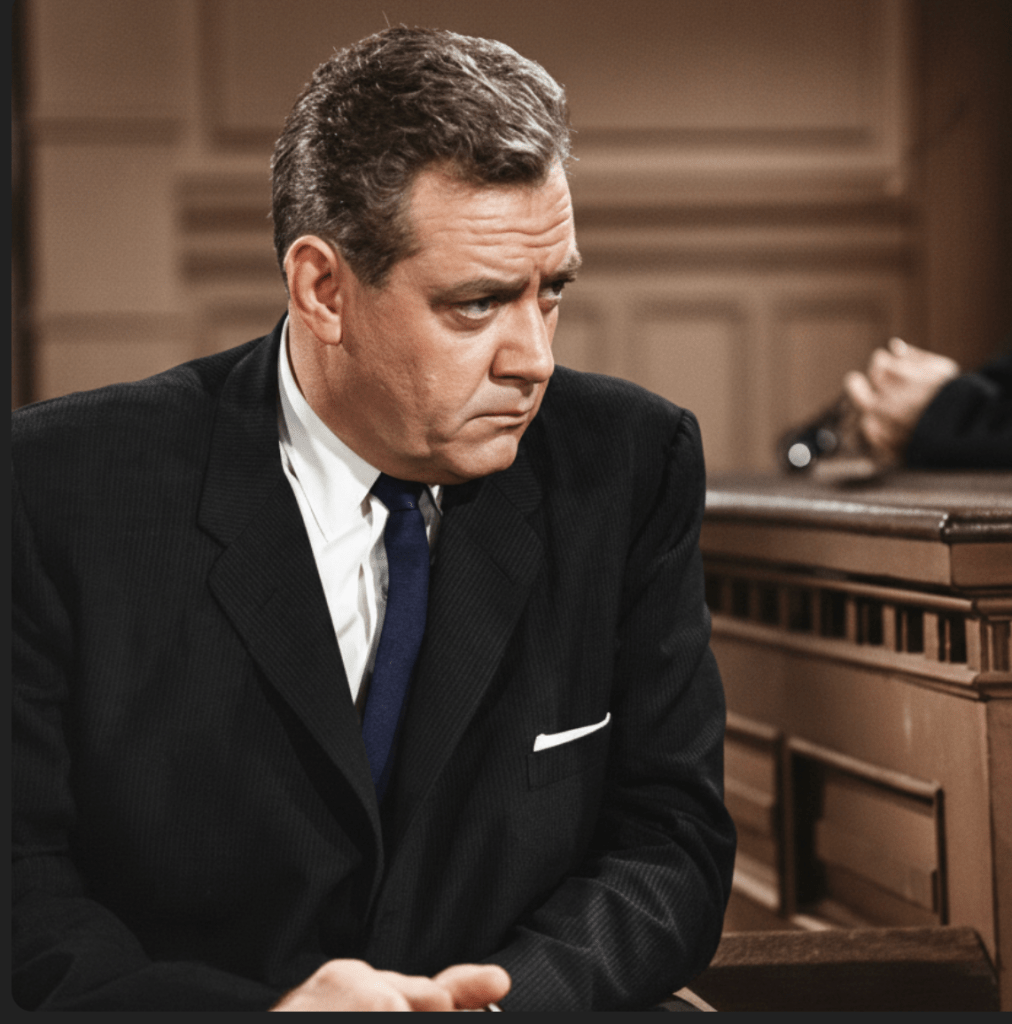
The camera pulls back, pans from the doctor to the wife as they exchange meaningful “just-as-we-suspected” expressions, then to our Maxwell Smart legal beagle who looks like the guy who is always a step behind, always the last to get the joke, always too slow to read the signs.

Overruled.

Now zoom in for a close-up.  Yeah, just like that. See it? The look on his face? That’s it. Half resentment, half resignation as he begins…finally… to see what Agent 99 has tried to signal him for months.

His shoulders sag. He looks down at his hands. He concentrates. Tries to focus. Like Superman did on TV. You know…George Reeves…big barrel chest, the backs of his closed fists on his hips, his trunks hiked too high, just before he unleashed his x ray vision. Straining with very neuron he can muster. All of them, his id, ego and super ego all pulling together, trying…trying…trying… to get his hands to stop shaking.

His face relaxes as a memory bobs to the surface.  It’s a good memory. An apron. A lap. A voice. His mom. Holding him. Trying to pull a sliver from a shaky finger. He smiles and looks at his wife.

“Be still, Rob…hold still.”

But now, as then, he can’t. Try as he might, he can’t hold still. 

Writer’s Cramp

February 21, 2022

It’s a little cheeky, Rob. Don’t you think? I mean to write about Parkinson’s.

You’re not a neurologist. You don’t have any answers. No clever means by which to cope. No inspiring story.

And it’s not exactly a laughing matter. There’s a good chance, don’t you think, you might offend someone. Maybe a fellow Parky, a parent, a spouse, a child or friend who is struggling right now. Had a bad day. Doesn’t see much to laugh about.

I get it. And I don’t blame you. If that’s you, stop. Stop right now. This might not be your cup of tea.

I write because I can’t not write. I’m just an old curmudgeon with writer’s cramp who enjoys burdening others with thoughts they might have preferred he kept to himself. I like to poke fun. Mostly at myself. I find it helps me to sit still in a world that won’t seem to hold still.

I don’t pretend to have anything profound to say. My only hope is that maybe, just maybe, if I turn a clever phrase or two, find the humor in the absurd, and occasionally say out loud what my fellow Parkies are thinking but . . . unlike me . . . are too dignified to admit, I might bring a smile, a laugh, a sigh . . . more likely a yawn…to my friends and family, or maybe a new friend who, like me, has too much time on his hands, too little judgment on how best to waste it, and try as he might can’t seem to hold still.

Parkinson’s is many things. Mystifying. Annoying. Unpredictable. Sometimes depressing, Always humbling. And without getting too maudlin here, likely to someday be my undoing.

But not today. Not today. I can’t hold still and I’ve still too much to say.